
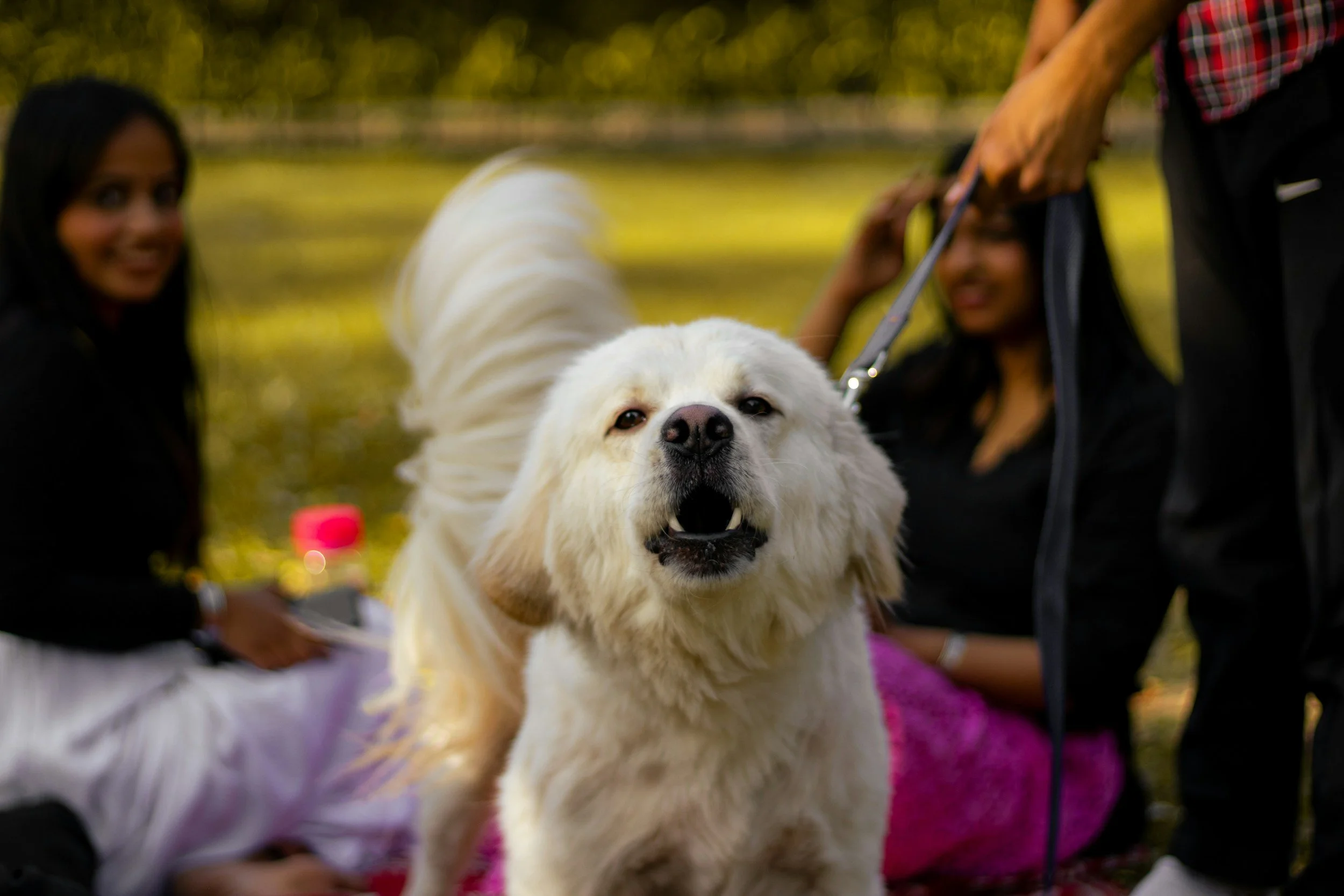
effective and compassionate REACTIVE DOG TRAINING
reactivity isn’t an obedience problem, it’s an emotional problem
-
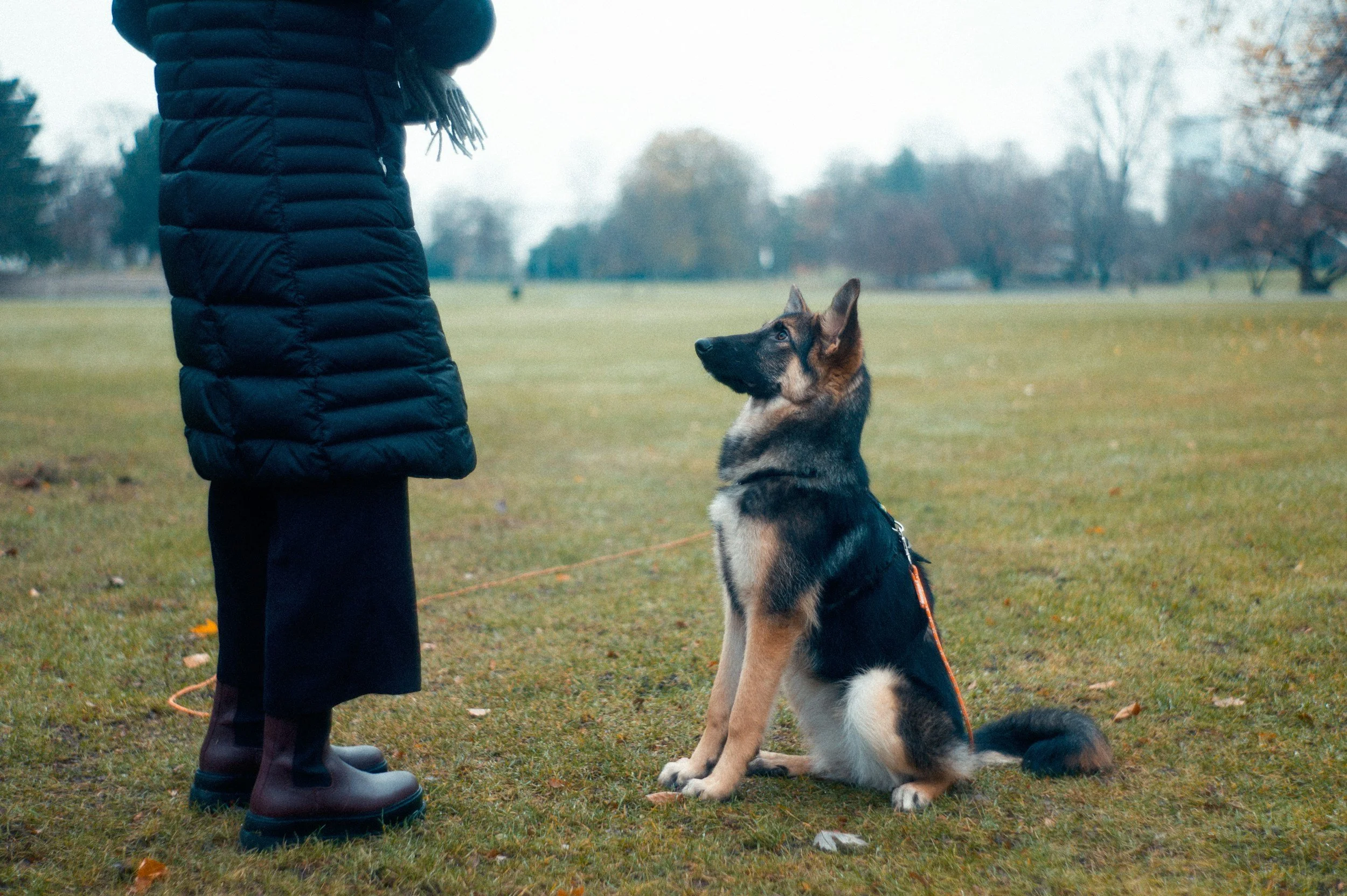
Reactivity Group Training
Learn in a small and supportive group class setting. Dogs are set up with their own private stations so they can learn comfortably while in a shared space.
-
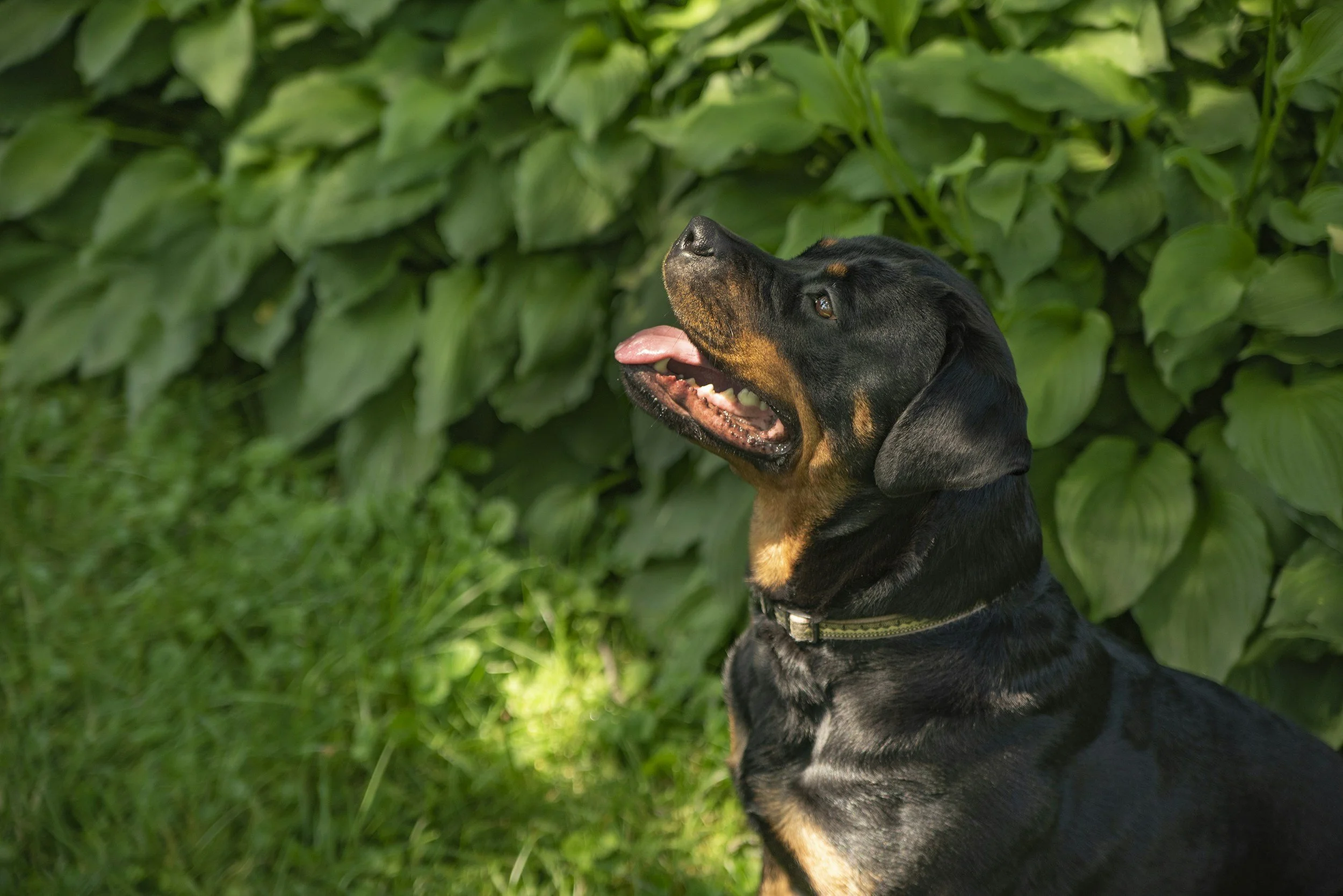
Reactivity Private Training
Virtual, in-person at my facility or in your home. One-on-one custom private lessons that focus on changing your dog’s emotional response to their triggers.
-
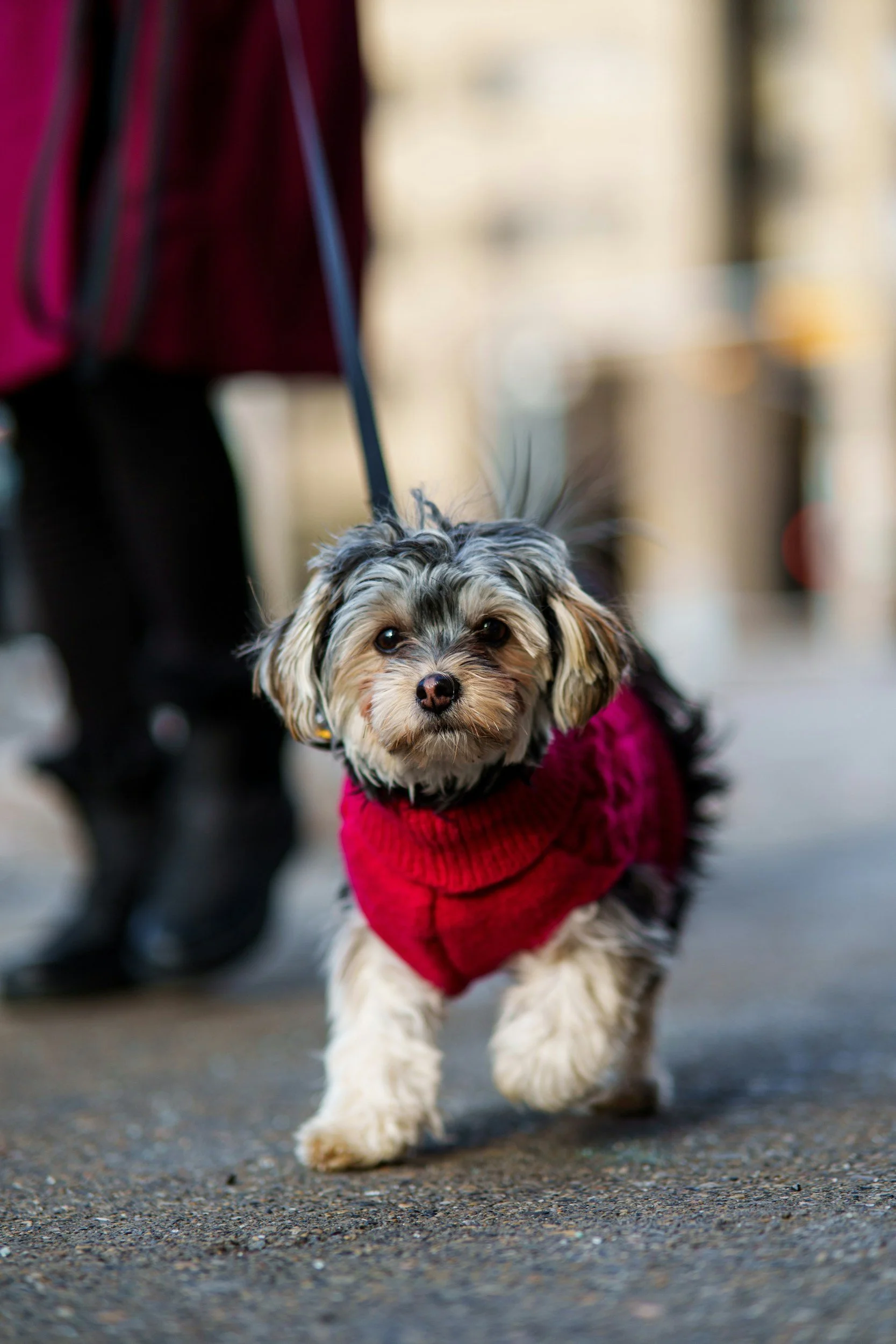
At Home Daytraining
I will come to your house to train your dog. Basic and Plus options available. You will receive access to the training plan and report cards daily.
reactivity TRAINING FAQs
-
There are several reasons why a dog may become reactive. Pain and underlying medical conditions, frustration and hyperarousal, genetics, and learning experiences are the most common. If your dog is suddenly exhibiting reactive behavior, it is of utmost importance to have your dog seen by their veterinarian to rule out pain and underlying medical conditions.
-
In the beginning we want to rule out pain or medical conditions, address unmet needs including physical exercise, mental stimulation, and enrichment, remove exposure to triggers as much as possible, teach reactivity foundation skills, and gradually expose dogs to their triggers in a controlled manner. Effective reactivity reduction training takes compassion, time and consistency.
-
If your dog shows intent to harm people or other dogs or has a history of such behavior, the training is similar but we have additional safety protocols in place which might include muzzle training your dog. We do work with dogs that have a history of causing harm to people and dogs. That being said, if this describes your dog, we encourage you to have your dog evaluated by a veterinary behaviorist. Our favorites are Dr. Chris Pachel at the Animal Behavior Clinic and Dr. Valli Parthasarathy at Synergy Veterinary Behavior. Both are located in Portland, Oregon.
-
It depends but the short answer is that reactivity training tends to be life-long. In addition, if there are underlying medical conditions, then those need to be treated prior to training. That can be a lengthy process for some dogs. In general, you can expect to be working on training foundation skills for several weeks up to months, and working on gradual exposures for a similar amount of time.
-
We offer reactivity training in Portland, Gresham, Troutdale, and Happy Valley. Virtual lessons are offered world-wide.
Testimonials
-
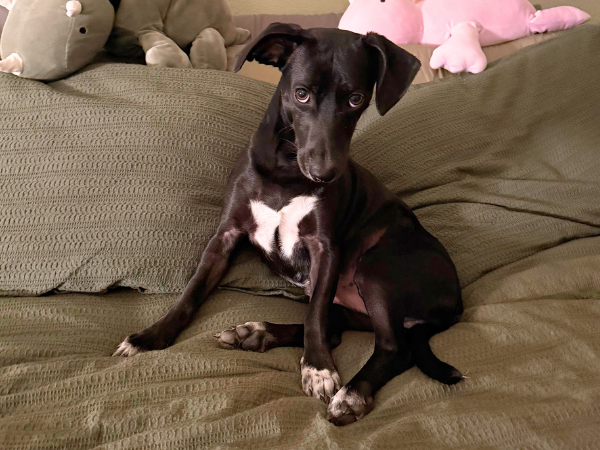
Noodle
"Working with Meaghan at Dog Flower has been so empowering and enriching for both us and our new canine bestie, Noodle. We adopted Noodle as an adult rescue guy and have felt so blessed to be guided by Meaghan as we welcome him into our home and routine. Presented with separation anxiety and a high level of general anxiety, we have found so much comfort and most of all- improvement in our training relationship! Introducing a new family member can be so stressful, and there is so much information out there about what you’re supposed to do and not do- having professional guidance you can trust makes all the difference. I have no doubt we will bring Meaghan in any time we adopt from now on."
- Leah with Noodle
-
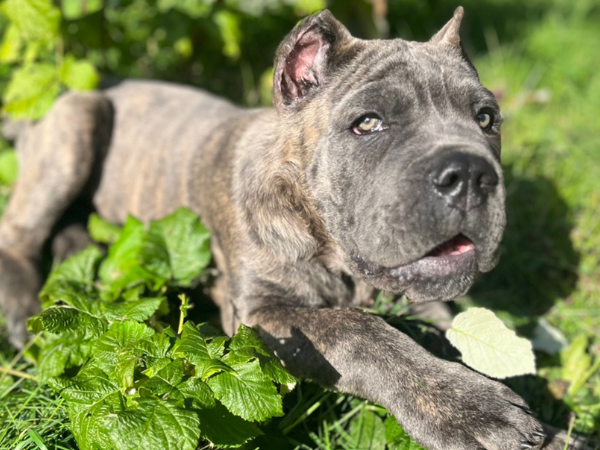
Raider
"As a giant breed dog owner, I know firsthand how critical it is to have a strong training foundation that begins at puppyhood. Meaghan has worked with 4 of my Mastiffs over the years both through classes, socialization groups and private training, and has transformed them from shy, nervous puppies into confident, well-adjusted adults that thrive both at home and in public. They are a confident, personable and extremely knowledgeable trainer who has years of experience with every size and breed of dog you can think of. No matter the issue, Meaghan has always been there ready to help! Would 100% recommend."
- Nicole with Raider, Ransom, Raige, & Rogue
let’s train together
Interested in working together? Fill out some info and we will be in touch shortly! We can't wait to hear from you!